
The short answer
Structured Gel and Hard Gel both add structure over the natural nail, but they serve different needs. Structured Gel offers flexible reinforcement and up to 3–4 weeks of retention for many clients. European Hard Gel is more rigid and is designed for maximum retention of up to 4–5 weeks, making it useful for clients who need additional strength or longer wear.
One of the most common questions we get at The Lullabar in Carlsbad, California is: Should I book Structured Gel or European Hard Gel?
The answer isn't simply which product is "better." It depends on your natural nails, your nail history, how much you use your hands, how long you want to go between appointments and, most importantly, your lifestyle.
Maybe you travel constantly for work. Maybe you're leaving for a three-week vacation. Maybe you're a bridesmaid and know your hands will be doing everything from carrying bags to helping set up the wedding.
Or maybe you've worn dip or acrylic for years, garden every weekend, swim frequently or simply know you're really hard on your hands.
Those clients don't necessarily need the same product.
That's why we offer different levels of structure.
What Is a Structured Gel Manicure?
A Structured Gel Manicure isn't simply thicker gel polish.
We're actually building a protective structure over your natural nail.
Think about building a house. The paint makes it beautiful, but the foundation and support beams give it strength.
Builder gel has more viscosity and body than traditional gel polish, which allows your nail tech to strategically build support over the natural nail rather than simply painting a thin coating on top.
Part of that architecture includes an apex—a subtle area of additional product strategically placed to help give the nail structural integrity and distribute stress.
You don't need to know exactly where your apex should be. That's our job.
What matters is that we're looking at each nail individually and creating support where that nail needs it. We're essentially building a stronger foundation over your natural nail to help protect it from the knocks, bending and bumps that happen in everyday life.
And because your natural nail keeps growing, that structure grows forward with it.
That's why your next appointment isn't simply about filling in the little gap by your cuticle. We need to rebalance and restructure the nail as it grows.
It's also why a Structured Gel Manicure takes approximately 1 hour and 25 minutes.
We're not simply putting polish on your nails. We're prepping the natural nail, performing detailed cuticle work, building and balancing the structure, refining the shape and then applying your color and finish.

Who Is Structured Gel Best For?
Traveling? Going to a wedding? Or just want your manicure to last? You don't need damaged nails to benefit from Structured Gel.
A lot of our Structured Gel clients have healthy natural nails. They simply want to keep them that way while getting better retention from their manicure.
If you travel frequently for work, the last thing you want is a chipped nail halfway through a trip.
If you're leaving for a three-week vacation, you probably don't want to find a nail salon halfway through it.
And if you're a bridesmaid, your hands are probably going to be doing a lot more than holding a bouquet. You're carrying things, opening boxes, helping set up, fixing dresses and doing a hundred little things before you ever make it into the photos.
Or maybe your reasoning is even simpler:
I want my natural nails to look really good.
I want to grow them.
I don't want them constantly chipping.
I want my manicure to last longer than two weeks.
And, more importantly, I don't want to completely remove my gel every two weeks just to start all over again.
That's a huge part of why we love builder gel.
Structured Gel allows us to reinforce your natural nail while maintaining a natural-looking manicure. With proper maintenance and depending on your individual nail growth and lifestyle, it can provide up to 3–4 weeks of retention.

What Is European Hard Gel?
Some nails—and some lifestyles—need another level of support.
Maybe you've worn acrylic or dip for years and your natural nails are now extremely thin.
Maybe you garden, swim frequently, maintain longer nails or work heavily with your hands.
Maybe you've tried Structured Gel and repeatedly experience lifting or breakage.
Or maybe you simply don't want to come into the nail salon every three weeks.
That's when we may recommend European Hard Gel.
Hard Gel follows the same structural philosophy as builder gel, but gives us a stronger, more rigid material to build that architecture with.
Think back to the house analogy: we're still creating the foundation and support beams. We're just building them with a stronger material when the nail underneath—or the lifestyle attached to it—requires more reinforcement.
Our European Hard Gel service is designed for maximum retention of up to 4–5 weeks, depending on your individual nail growth and lifestyle.
Hard Gel isn't automatically "better" than Structured Gel.

It's simply a different level of structure.
Why Is It Called European Hard Gel?
The product is only part of what helps us achieve retention.
Preparation matters tremendously.
Very thin, almost invisible cuticle tissue can remain attached to the nail plate. Oils, moisture and tissue left behind can interfere with how well gel adheres.
Think about trying to build a foundation on a slippery surface. It doesn't matter how good the material is if the surface underneath hasn't been properly prepared.
That's why our European Hard Gel service includes additional time for meticulous dry cuticle work and nail preparation before we begin building the Hard Gel structure.
You may also have heard the term "Russian manicure." Both Russian and European techniques are associated with very detailed dry cuticle preparation and precision around the nail. We use the term European Hard Gel for our service because it reflects the European-inspired preparation and structural techniques we've incorporated.
For the client, the important distinction is simple: we're spending additional time preparing the natural nail and cuticle area before building the enhancement to help support clean application and maximum retention.

What Is a Gel Fill?
This is one of the most important parts of how we approach nail maintenance.
As your natural nail grows, the enhancement grows forward with it. During a fill, we're not simply putting gel into the empty space near your cuticle.
We evaluate the existing enhancement, remove any lifting or compromised product, preserve what's still healthy and securely adhered, add product to the new growth and restructure the nail.
Remember those support beams?
We're repositioning and rebalancing them as the nail grows.
For the right client, we may be able to perform 2–3 fills before recommending a fresh set.
A fresh set means a complete removal followed by an entirely new builder gel or Hard Gel application.
So instead of:
Gel → Complete Removal → Gel → Complete Removal → Gel
your maintenance may look more like:
Fresh Set → Fill → Fill → Fill → Fresh Set
That distinction is an important part of our approach to long-term natural nail care.
Why We Don't Offer Traditional Gel, Dip or Acrylic
This is an intentional part of our salon philosophy.
Traditional Gel
We frequently hear clients say:
"Gel ruined my nails."
But sometimes what they're describing isn't simply the gel itself. Repeated or aggressive removal can contribute to nail damage.
Traditional gel generally requires complete removal much more frequently. That can involve filing, acetone soaking and removing softened product from the natural nail.
When that process is rushed or overly aggressive—especially excessive drilling, filing or scraping—the natural nail can become thinner or damaged.
That's why we'd rather maintain healthy, securely adhered product when appropriate instead of automatically taking the entire enhancement down to the natural nail every couple of weeks.
Dip & Acrylic
We also intentionally do not offer dip or acrylic.
Nail-salon products can contain a variety of chemicals, and nail technicians may be exposed through skin contact and by breathing vapors, mists and airborne dust.
Occupational-health agencies including OSHA and NIOSH recognize that, depending on the specific chemical and level of exposure, chemicals used in nail products can be associated with serious health effects—including respiratory, neurological and reproductive effects and, for certain chemicals, cancer.
That matters to us.
Our clients spend an hour or two in the salon. Our nail technicians work in this environment for hours, day after day.
As a salon focused on reducing unnecessary chemical exposure, we've made intentional choices about the services and products we bring into our space.
That doesn't mean we believe every nail product is "toxic," and we don't believe in creating fear around getting your nails done.
For us, being a more health-conscious salon means understanding what we're using, paying attention to occupational-health guidance, reducing unnecessary exposure where reasonably possible and finding alternatives when we can still achieve the result our clients want.
European Hard Gel is one of those alternatives for clients who loved the strength and retention they experienced with dip or acrylic.
Nail Health Is a Long Game
A beautiful manicure on day one matters.
But we're equally interested in what your nails look like three weeks, three months and several appointments later.
- Did your manicure make it through your vacation?
- Did the product stay securely adhered?
- Are your natural nails growing?
- Are you repeatedly breaking the same nail?
- Is Structured Gel giving you enough support, or is your lifestyle telling us that Hard Gel would be a better fit?
- And when it is time for a full removal, what does the natural nail underneath look like?
That's what healthy retention means to us.
Our goal isn't to put the strongest possible product on every client.
It's to choose the appropriate amount of structure for your natural nail, your lifestyle and your maintenance habits—and preserve as much of your natural nail as possible along the way.
Structured Gel vs. Hard Gel: Which Should You Book?
Structured Gel
A great choice if you have relatively healthy natural nails and want additional strength, longer retention and protection against everyday chips and breaks. It's especially practical for travel, vacations, weddings and anyone who simply doesn't want to completely remove their gel every two weeks.
European Hard Gel
Consider Hard Gel if your natural nails are extremely thin, you've worn dip or acrylic for years, maintain longer nails, use your hands heavily, garden or swim frequently, have struggled with retention, or simply want to maximize the time between appointments.
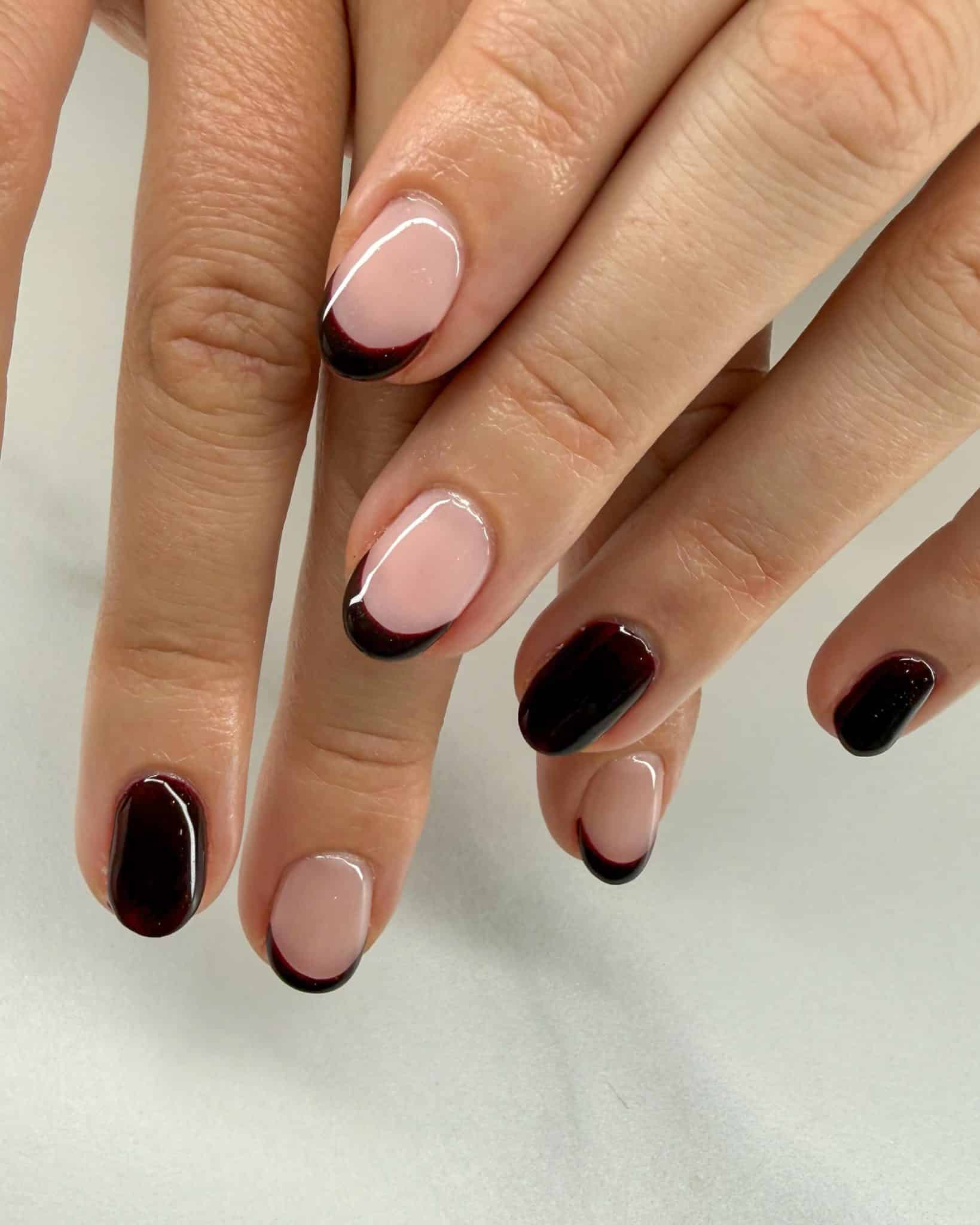
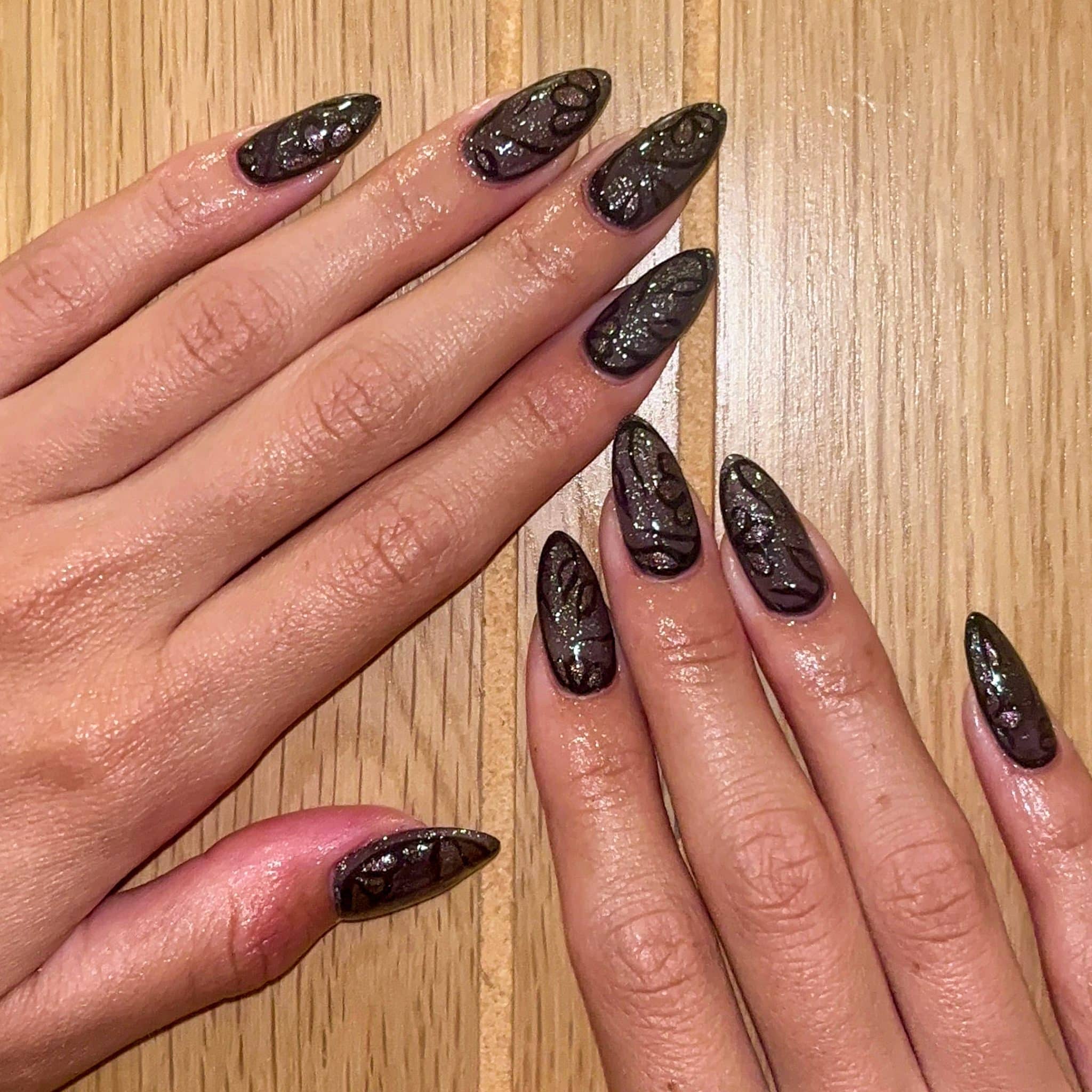
And if you're still not sure?
You don't have to know exactly what your nails need before you walk through our doors. That's part of our job.
Ready when you are
Book a manicure at The Lullabar in Carlsbad
Choose Structured Gel or European Hard Gel when you book, or pick either and we'll talk through what your nails need when you arrive.
Have a question this article didn't answer? Our Nail Salon FAQs cover removals, fills, aftercare and what to expect at your first visit.